Athens in the 5th century BC experimented with a radical form of citizen self-rule. Archaeology and inscriptions anchor our understanding of how the assembly, courts and council worked, and how ordinary Athenians lived in civic space.
Assembly, council, courts
The ekklesia met on the Pnyx hill, where citizens debated decrees on war, money and religion. The boule (council of 500), chosen largely by lot, prepared measures and watched over magistrates. Popular courts with huge juries held real power, and pay for jury service made wide participation possible.
Spaces of the polis
The Agora was both marketplace and government centre, a landscape of stoas, lawcourts and monuments. The Acropolis, crowned by the Parthenon, anchored ritual life and civic identity. Ostraka, boundary stones and building accounts tie ideas to real buildings.
Democracy rested on a limited citizen body, yet the whole city depended on those it left out.
Citizenship and exclusions
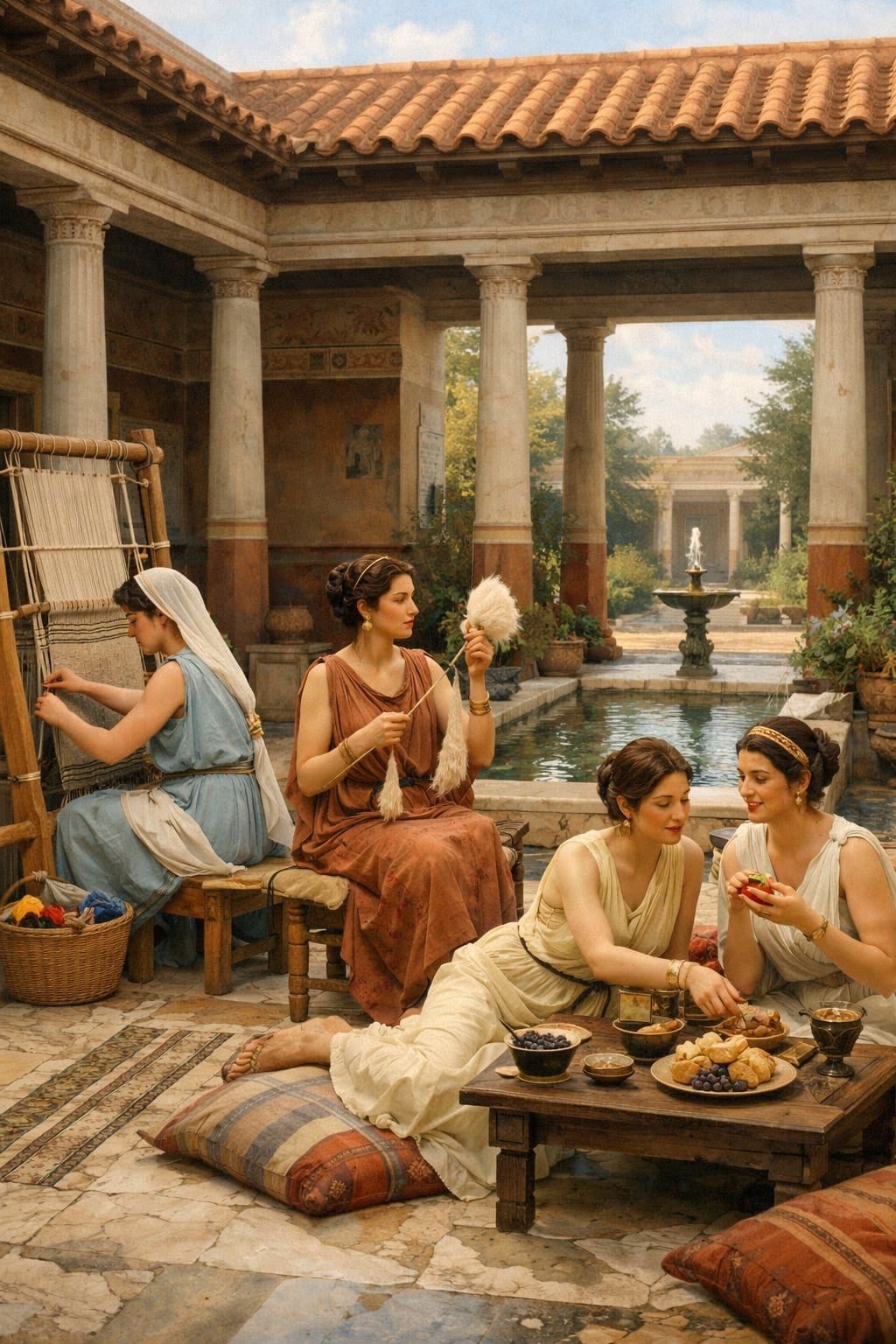
Democracy rested on a limited citizen body: native-born adult men. Women, resident foreigners (metics) and enslaved people were shut out of formal politics. Yet their work and presence were essential to the life of the city.
Afterlives
Democratic practice changed through empire, plague and war. Later thinkers saw Athenian democracy as both a model and a warning. Today, material remains keep refining how we imagine ancient political life.
Further reading
- Josiah Ober, Mass and Elite in Democratic Athens.
- Camp & Fisher, The Athenian Agora series (excavation reports).